
Spring Traditions
History of Groundhog Day: From Candlemas to Gobbler’s Knob
Where it comes from: The history of Groundhog Day starts with European Candlemas weather lore on 2 February, when a sunny day meant more winter. German settlers in Pennsylvania swapped their forecasting badger for the native groundhog. A diary mentions the custom in 1840, and Punxsutawney held its first official trek in 1887.
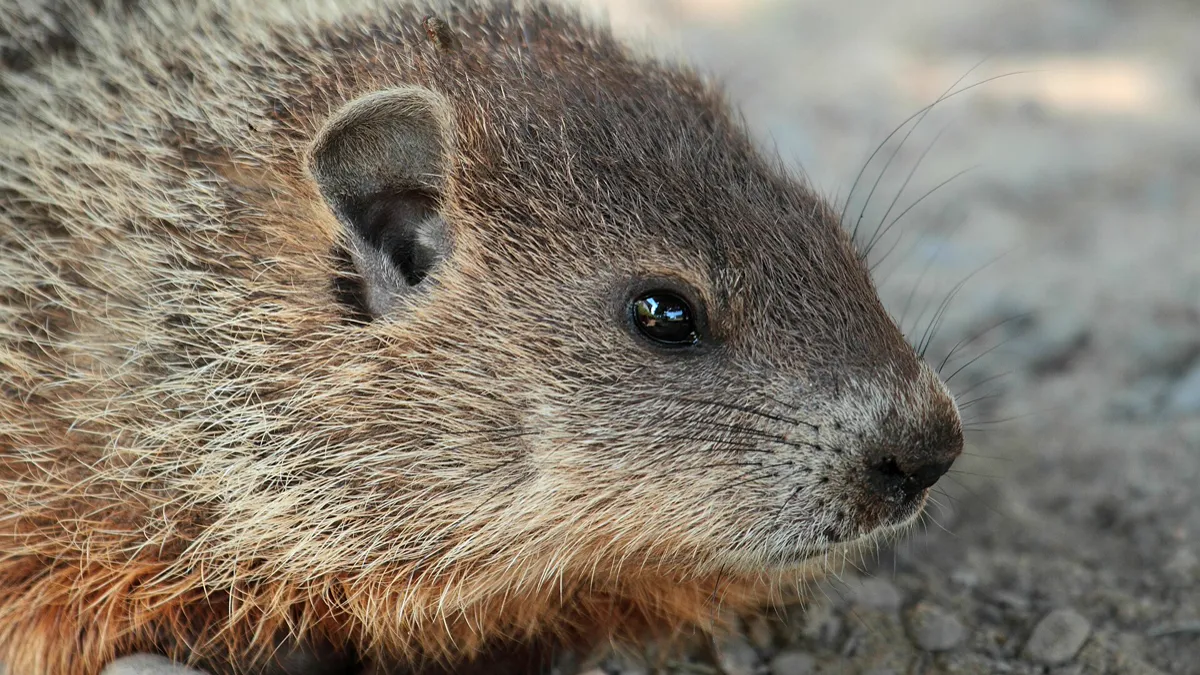
Here is something most people never hear about the custom: the first animal in the story was not a groundhog at all. In much of German-speaking Europe it was a badger, and before that, in some places, a bear. The groundhog got the job only after German-speaking families crossed the Atlantic to Pennsylvania and met a different burrowing animal there.
So how did a church feast, a farmers’ rhyme and a hungry lodge of Pennsylvania hunters turn into a television event? We put the history of Groundhog Day in date order first, legends second. Every date below names the archive, library or reference work it comes from.
- Around the 11th century: the Irish saga “The Wooing of Emer” calls Imbolc “the beginning of Spring”, according to the Library of Congress Folklife Today blog.
- 380s: the pilgrim Egeria describes a candle-lit feast of the Purification in Jerusalem, the feast later called Candlemas, per the Wikipedia entry on Candlemas.
- 1523: the poet John Skelton writes that people “were wonte for to discerne / By candlemas day what wedder shulde holde”, a line the Library of Congress quotes from the Oxford Dictionary of Proverbs.
- 1678: John Ray prints “If Candlemas day be fair and bright / Winter will have another flight”, per the same Library of Congress post.
- 1727 to 1775: the bulk of Pennsylvania Dutch immigration arrives, the window in which the Library of Congress thinks the American custom was probably born.
- 2 February 1840: storekeeper James L. Morris of Morgantown, Pennsylvania, notes in his diary that “the Germans say the groundhog comes out of his winter quarters”, the earliest mention found by folklorist Don Yoder.
- 1886: the Punxsutawney Spirit reports that “up to the time of going to press, the beast has not seen its shadow”, according to the Wikipedia history of the day.
- 2 February 1887: the first official trek to Gobbler’s Knob takes place and the groundhog sees its shadow, per the Punxsutawney Groundhog Club’s list of past predictions.
- 1899: the Punxsutawney Groundhog Club is founded, a date given by both the club and the Pennsylvania state historical marker.
- 1961: the Punxsutawney groundhog is first called Phil, according to Wikipedia.
- 1993: a comedy film set at the ceremony is released, and Wikipedia reports that average attendance rose from about 2,000 to about 10,000 afterwards.
- 2004: Pennsylvania dedicates a state historical marker at Gobbler’s Knob, according to ExplorePAHistory.
Why does Groundhog Day fall on February 2?
Because 2 February is Candlemas, and Candlemas sits near the halfway point between the winter solstice and the spring equinox. Farmers across Europe watched the weather on that day for clues about the rest of winter, and the rule was backwards on purpose: a bright, sunny Candlemas meant more cold was coming.
The date is older than the feast. The Library of Congress Folklife Today blog, drawing on Don Yoder’s 2003 book Groundhog Day, places it among the Celtic cross-quarter days: Samhain, Imbolc, Beltaine and Lughnasa. Imbolc, on 1 February, marked the start of spring and the lambing season. When the Church folded the old calendar into its own, the early February turning point became the feast of the Purification, the day people brought candles to church to be blessed. The same pattern shaped the rest of the year, from autumn customs in other countries at the start of November to the season of harvest festivals around the world in early August.
What survived best was the weather lore. Reginald Scot wrote in 1584 that if “Maries purifieng daie” were “cleare and bright with sunnie raie”, the frost would be worse after the feast than before it, per the Library of Congress. A Scots couplet quoted on Wikipedia puts it more bluntly: “If Candlemas is fair and clear / There’ll be twa winters in the year.” Notice what is missing from every one of these rhymes? There is no animal in them yet.
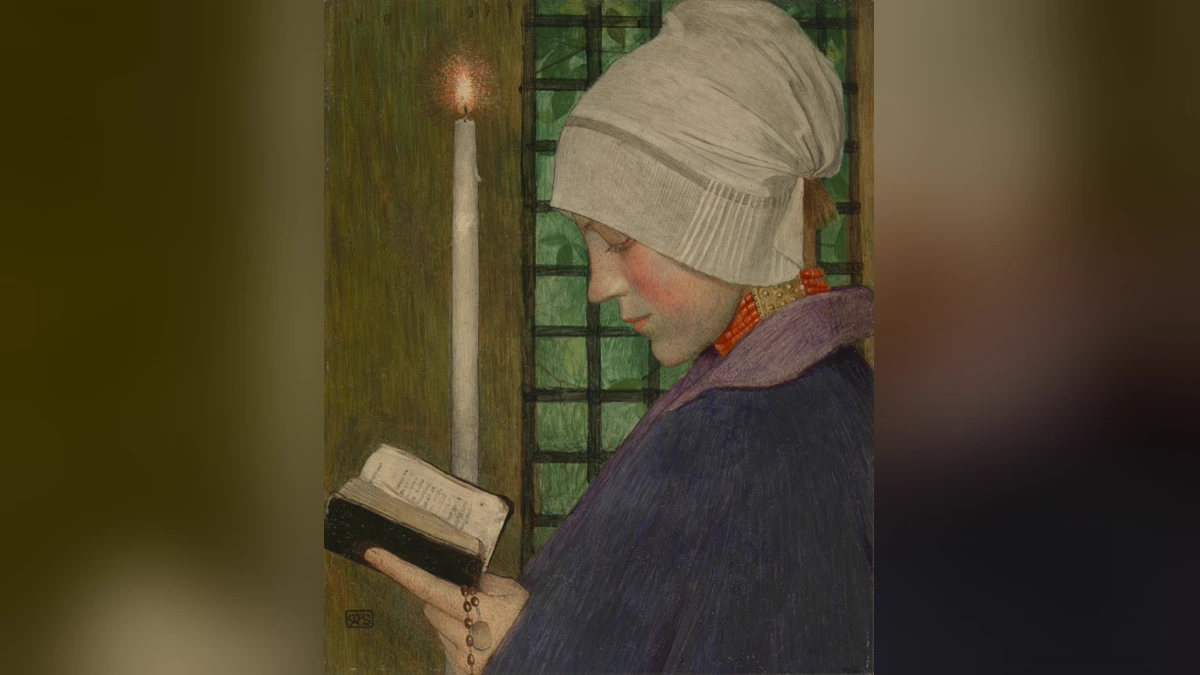
How did a badger become a groundhog?
German-speaking Europe added an animal to the Candlemas rule. In much of that region the forecaster was the badger, and Candlemas was even nicknamed Dachstag, or Badger Day. In Pennsylvania, German settlers handed the role to the groundhog, another shy, burrowing animal that hibernates through winter.
Yoder, as quoted by the Library of Congress, cites the Dictionary of German Folk Belief: if the badger met sunshine on Candlemas and saw its shadow, it crawled back into its hole for four more weeks. The Wikipedia history adds that the bear was the older weather animal in parts of Germany, with the badger taking over as bears grew scarce, and that a collection of farmers’ sayings printed in Austria in 1823 carries a badger version of the rule.
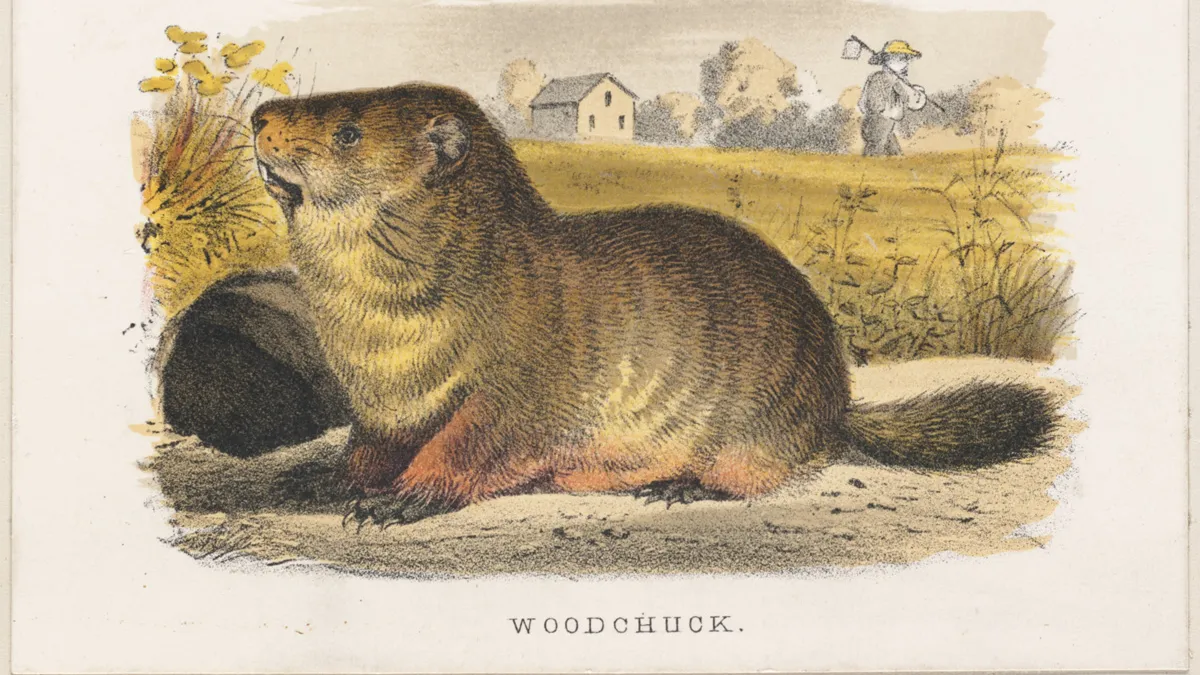
The first American record is a shopkeeper’s aside. On 2 February 1840, James L. Morris, a Welsh-American storekeeper in Morgantown, wrote that his German neighbours believed the groundhog would return to its den for 40 days if it saw its shadow, according to Yoder. Wikipedia notes that some sources prefer Morris’s entry of 4 February 1841, which already speaks of “another six weeks nap”. Morris writes about it as common knowledge, the Library of Congress notes, not as a new fad. How many customs reach us only because someone grumbled about the neighbours in a diary?
How did Punxsutawney become the center of Groundhog Day?
A newspaper editor and a lodge of hunters made it happen. Clymer Freas, city editor of the Punxsutawney Spirit, is credited with promoting the idea, and the town’s Elks Lodge members made the first official trek to Gobbler’s Knob in 1887. Their good-humoured rivalry with Pittsburgh papers then kept the story in print every winter.
The lodge first cared about the groundhog as dinner. According to Wikipedia, the Elks served groundhog at the lodge and held a hunt each year in late summer, and the Punxsutawney Groundhog Club that formed in 1899 kept the hunt, the “Groundhog Feast” and a drink called groundhog punch going for a time. The Pennsylvania state marker at Gobbler’s Knob says that German immigrants there observed Groundhog Day “as early as 1886”.
Publicity did the rest. The Pennsylvania history site ExplorePAHistory describes a 1902 Pittsburgh Gazette cartoon by C. M. Payne of a top-hatted “Brer Groundhog, Weather Prophet”, followed by a full-page cartoon on 1 February 1903. The Spirit answered in kind, and by 1908, with new groundhog clubs in Lancaster County and Du Bois, Punxsutawney was calling itself “the Weather Capital of the World”, according to the same source. Did a small-town joke ever travel further?
Which other groundhogs forecast the weather, and since when?
Dozens do. Pennsylvania German lodges, zoos and towns across the United States and Canada now run their own ceremonies, some with stuffed animals or statues. The table below follows the custom’s spread as a paper trail, with the year each forecaster or club first appears and the source for that date.
| Year | Event | Source |
|---|---|---|
| 1840 | Morgantown diary records German neighbours’ groundhog belief | Don Yoder, via Library of Congress |
| 1886 | First Punxsutawney newspaper mention of the day | Wikipedia; state historical marker |
| 1887 | First official trek to Gobbler’s Knob | Punxsutawney Groundhog Club |
| 1899 | Punxsutawney Groundhog Club founded | Pennsylvania state historical marker |
| 1907 | Slumbering Groundhog Lodge forms in Quarryville, Pennsylvania, using a stuffed woodchuck | Wikipedia |
| 1930s | Groundhog Lodges hold meetings in Pennsylvania Dutch only, fining English speakers | Library of Congress (William W. Donner) |
| 1956 | Wiarton, Ontario, holds its first Groundhog Day gathering; the forecaster later called Wiarton Willie arrives in the 1980s | Wikipedia, Wiarton Willie entry |
| 1981 | Staten Island Chuck starts forecasting at the Staten Island Zoo, New York City | Wikipedia, Staten Island Chuck entry |
| 1981 | Georgia’s groundhog forecasts begin under General Beauregard Lee’s predecessor; Lee is first televised nationally in 1988 | Wikipedia, General Beauregard Lee entry |
| 1987 | Shubenacadie Sam starts forecasting in Nova Scotia, the first prediction in North America each year thanks to Atlantic time | Wikipedia |
Nova Scotia has a longer back story than its groundhog suggests. Wikipedia says the custom arrived there with German-speaking settlers in the 1750s and was called “Daks Day”, from the German word for badger.
How accurate are groundhog forecasts?
Not very. NOAA’s “Grading the groundhogs” page, updated on 2 February 2026, scores the Punxsutawney forecaster at 35% for 2006 to 2025, 17th of the 19 forecasters it ranked. It checks each forecast against average United States temperatures for February and March, and a coin would do better, as of October 2026.
Other forecasters on the NOAA list score higher, which says more about luck than skill:
- Staten Island Chuck: 85%, first place in NOAA’s 2026 update.
- General Beauregard Lee: 75%, third place in that update.
- Lander Lil, a bronze prairie dog statue in Wyoming: 80%, second place, according to NOAA.
- Wiarton Willie: about 25% by scientists’ estimate, per the Wikipedia entry on Willie, which also notes local claims of about 90%.
Independent studies agree. A 2021 study by Lakehead University climatologists, summarised on Wikipedia, compared 530 predictions by 33 groundhogs with the local blooming of a spring wildflower and found an overall accuracy of 50%, the same as chance. We also counted the Punxsutawney Groundhog Club’s own list of past predictions as of October 2026: 110 years marked “more winter”, 21 marked “early spring” and 10 with no record, all of those in the 1880s and 1890s. A forecaster that says “winter” five times out of six is not reading the sky. It is reading the calendar.
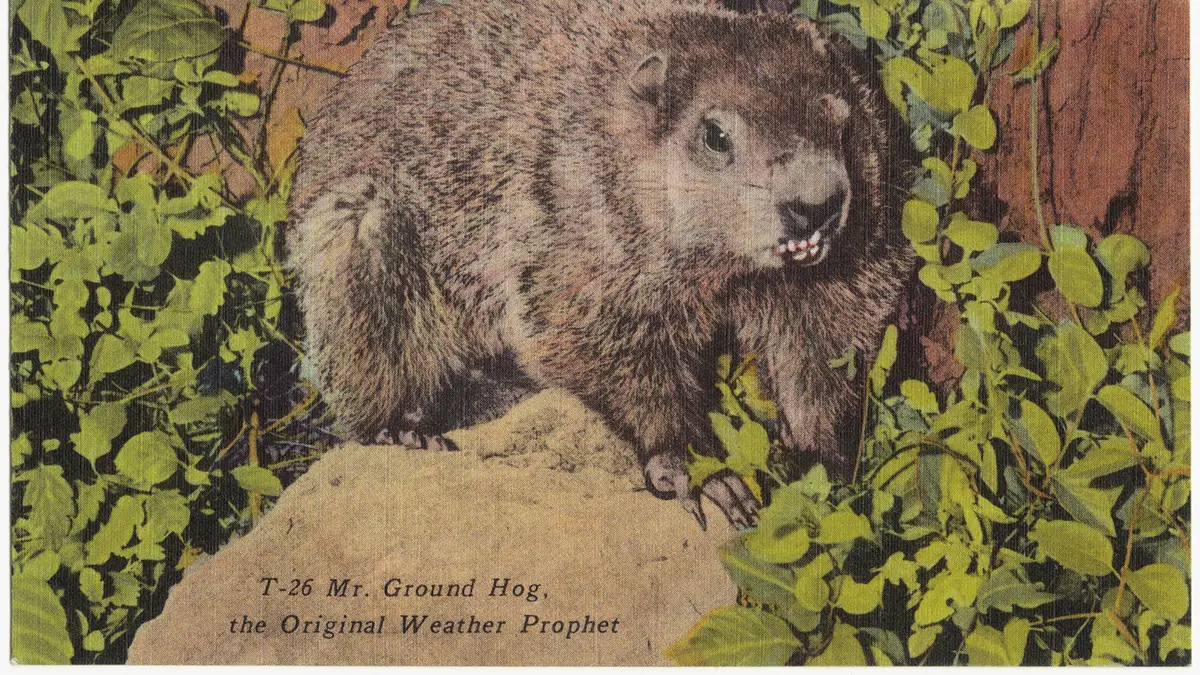
What are the Groundhog Day traditions today?
At Punxsutawney, the gates at Gobbler’s Knob open at 3 a.m. on 2 February and a crowd waits through the cold night. Shortly before 7:30 a.m., the top-hatted Inner Circle lifts the groundhog from a tree stump on the stage and reads its forecast from a scroll, according to a 2025 OPB and NPR report.
The Inner Circle president claims to understand “Groundhogese” thanks to a wooden cane, and the same report from the hillside describes a reporter arriving before dawn in 20-degree cold, finding the parking lot full by 4 a.m., and hearing both cheers and boos when the forecast came at 7:25 a.m. A travel writer at the Uncovering PA blog recalled assuming a 5 a.m. arrival would be early, then finding an estimated 10,000 people already there in drizzle and mud.
The older traditions are quieter. In southeastern Pennsylvania, Groundhog Lodges hold dinners called versammlinge with speeches, skits and songs in Pennsylvania Dutch, and anyone who speaks English pays a small fine per word, according to the Library of Congress and Wikipedia. Which version of the custom would you rather attend: the huge crowd at dawn, or the dinner where English costs a nickel?
Myth or fact? Five claims about the history of Groundhog Day
The same handful of claims turns up in nearly every retelling. Each label below reflects what the reference sources say.
- “It is the same groundhog every year since 1887.” Club lore, not biology. The club says an “elixir of life” served at its autumn picnic keeps the animal going, per Wikipedia, but History.com puts a groundhog’s life in captivity at up to about 10 years, and the name itself only dates from 1961.
- “In Germany the forecaster was a hedgehog.” Mostly myth. The club’s own history page says hedgehog, yet the Library of Congress, quoting Yoder, names the badger and Badger Day, and Wikipedia adds the bear and, regionally, the fox. Claims about a British hedgehog belief are undated, Wikipedia notes.
- “Groundhog Day is a German holiday.” Myth. Germany had Candlemas weather lore about badgers, but the groundhog ceremony is a North American custom, observed regionally in the United States and Canada, according to Wikipedia.
- “It began in Punxsutawney in 1887.” Partly true. The first official trek was in 1887, but the Morris diary records the belief in 1840, and the state marker says local observance goes back to at least 1886.
- “An early spring means spring arrives early.” Uncertain at best. Six weeks after 2 February lands in mid-March, only days before the March equinox, so by our arithmetic both forecasts end up close to the calendar’s first day of spring.
Want to check a claim yourself? Look for a dated record, then ask whether anything older says the same thing. Our spring traditions section uses the same approach for other customs, and the turn-of-the-year lucky foods people eat for a good year make a good comparison: another wish about the months ahead, dressed up as a rule.
Tradition trivia
Is Groundhog Day a public holiday?
No. Wikipedia describes it as a tradition observed regionally in the United States and Canada, not a public day off. Pennsylvania marks it with a state historical marker at Gobbler’s Knob instead.
What else is a groundhog called?
The same animal, Marmota monax, is also called a woodchuck, marmot, land beaver, whistler and whistle-pig, according to the Library of Congress Folklife Today blog.
Why six weeks and not forty days?
The numbers drifted. German lore promised four more weeks of winter, the 1840 Morris diary entry says 40 days, and his 1841 entry already says six weeks, which became the Pennsylvania standard.
Was the Punxsutawney ceremony ever called off?
Once in its usual form. In 1943, during the Second World War, the groundhog did not appear and the club relied on the forecast from Quarryville, according to its list of past predictions. In 2021 the ceremony went ahead without a crowd because of pandemic rules.
Origins in this post were checked against encyclopedias, museum and library sources. An AI tool drafted the first pass, and anything the sources treat as uncertain is flagged as uncertain in the text.
Sources: Library of Congress, folklife blog post; NOAA, accuracy rankings; ExplorePAHistory, state historical marker; Punxsutawney Groundhog Club, past predictions; National Weather Service, local history page; History.com, facts page; Wikipedia entries on the day, Candlemas, the spring festival at lambing time, plus the festival forecaster, zoo forecaster and nature center forecaster entries.