
Folklore & Origins
History of Trick or Treating: From Souling to Candy
Where it comes from: The history of trick or treating runs from medieval souling in England and guising in Scotland and Ireland to Canadian towns, where newspapers printed “trick or treat” by the 1920s. The custom spread across the United States in the 1930s, paused under wartime sugar rationing, then boomed after 1947.
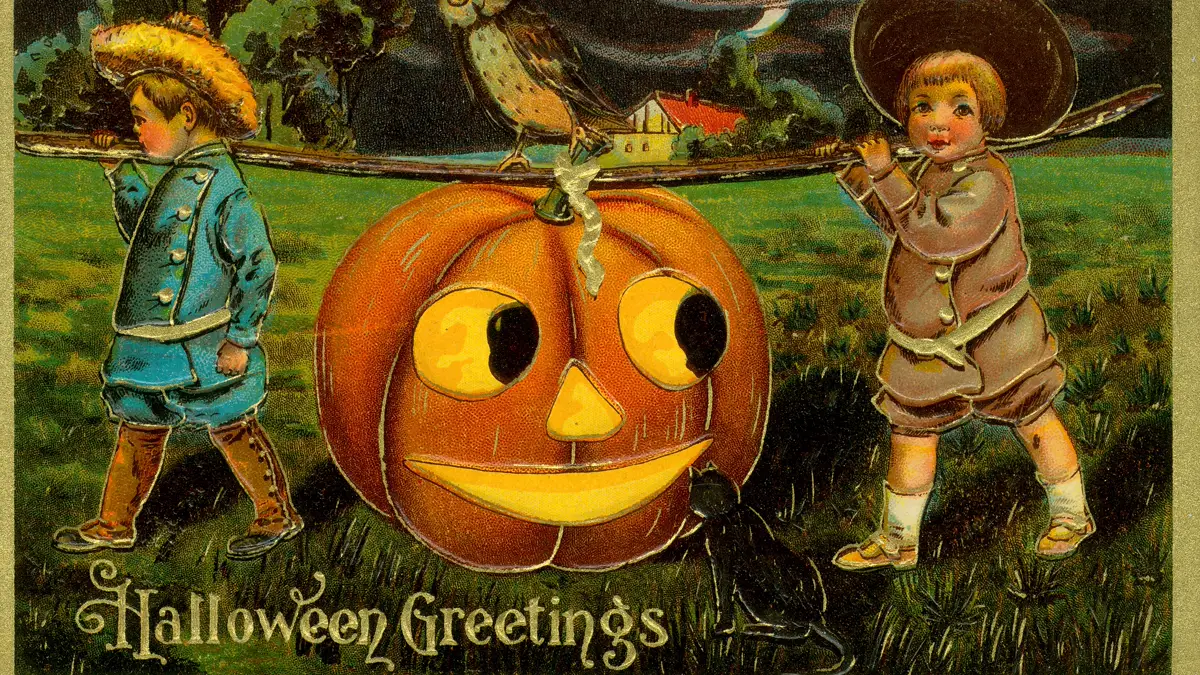
Here is a surprise to start with: the words “trick or treat” have been in print for only about a century, according to the newspaper finds that Merriam-Webster credits to the word historian Barry Popik. The habit of knocking on doors in disguise is far older. Most people credit “the Celts”, full stop. The record is messier, and more fun: it passes through English bakers, Scottish sword dancers and a few grumpy Canadian newspaper editors.
So which parts are documented, and which are guesses repeated until they sound like facts? We sorted the history of trick or treating into dates first, legends second. Every date below names its library, archive or reference source.
- 1511: the earliest reported souling activity in the British Isles, per historian Lisa Morton as cited in the Wikipedia entry on soul cakes.
- 1593: Shakespeare mentions “puling like a beggar at Hallowmas” in The Two Gentlemen of Verona, a line the Wikipedia trick-or-treating article reads as a nod to souling.
- 1623: Kirk Session records in Elgin, Scotland, name six masked “gwysseris” (guisers) who danced at New Year, according to the Wikipedia guising history.
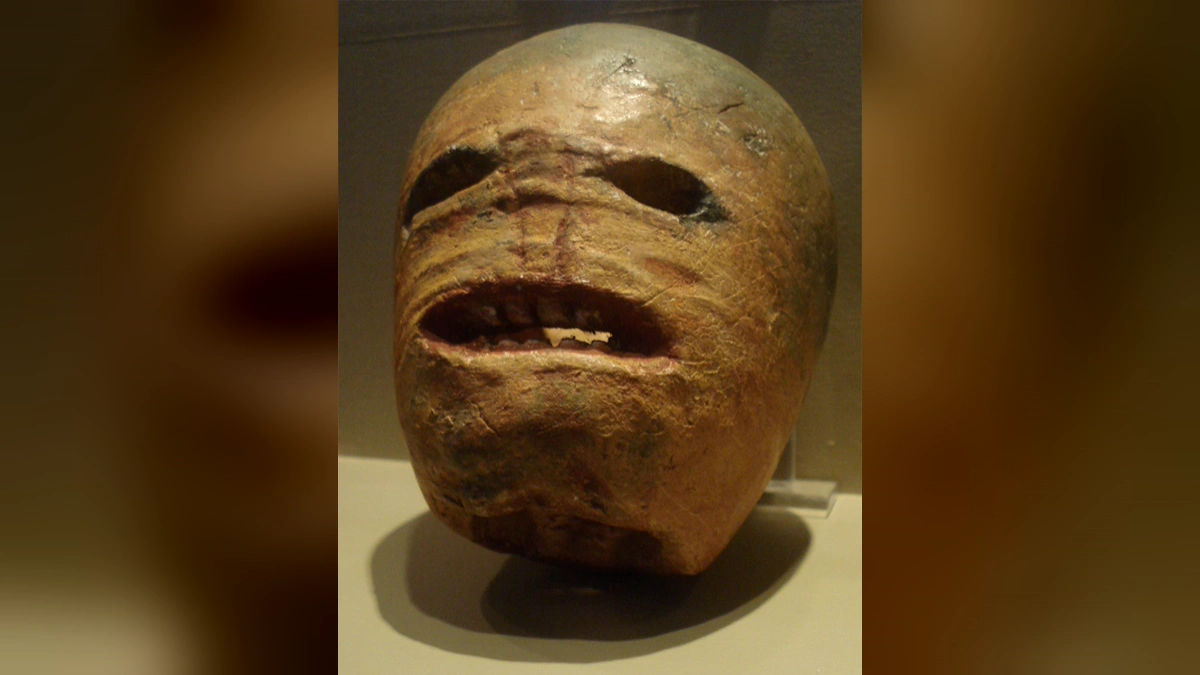
- 1895: a Scottish record describes Halloween masqueraders carrying scooped-out turnip lanterns and visiting homes for cakes, fruit and money, per the same Wikipedia history.
- 1911: a newspaper in Kingston, Ontario, reports children going “guising” around the neighbourhood, the first North American use of the word cited by historian Nicholas Rogers.
- 1917: the Sault Daily Star in Sault Ste. Marie, Ontario, prints “‘Tricks or treats’ you could hear the gangs call out”, the oldest find listed on Wikipedia.
- 1923 to 1927: papers in Regina, Red Deer, Calgary and Lethbridge print the phrase in several forms, per the citations collected by Merriam-Webster.
- 1928: the Bay City Times in Michigan carries the first known United States example, “Tricks or treats!”, according to Merriam-Webster.
- 1930s: costumed trick-or-treaters are common in Edmonton, where they mostly target businesses, according to the City of Edmonton Archives.
- May 1942 to June 1947: sugar is rationed in the United States, the first food on the ration list and the last off it, per the U.S. National Park Service.
- 1947: October issues of the children’s magazines Jack and Jill and Children’s Activities give the custom national attention, per Wikipedia.
- 1950: children near Philadelphia collect $17 in coins for UNICEF instead of candy, the start of the orange-box campaign, according to UNICEF USA.
- 1967: President Lyndon B. Johnson declares Halloween National UNICEF Day, according to UNICEF USA.
Did trick-or-treating really start with Samhain?
Possibly, but nobody can draw a straight line. Samhain was a Celtic festival at summer’s end, around November 1, when people lit bonfires and wore disguises to keep wandering spirits away. The Library of Congress lists Samhain as only one of three theories for where door-to-door Halloween begging came from, and it calls the origin a matter of “much debate”.
The other two theories on that Library of Congress list are medieval souling and guising, and the German-American Christmas custom of belsnickeling. Smithsonian Magazine, in a September/October 2024 piece by Brandon Tensley, puts Samhain “more than 2,000 years ago” and says people left food out and dressed as monsters to blend in with the spirits. The hard part is the gap. Very few written sources describe the festival from the inside, and the records of costumed visiting that do survive come from Christian Britain and Ireland, many centuries later.
So the honest label is uncertain. Samhain gave Halloween its date and much of its mood. Whether it gave us the doorstep visit is a guess. Does that make the custom less interesting, or more?
What were souling and guising?
Souling was an English Christian custom: people, often poor adults and later children, went door to door around All Souls’ Day asking for soul cakes and promising prayers for the household’s dead. Guising was the Scottish and Irish version in disguise, where visitors performed a song, poem or dance in return for food or coins.
A soul cake was a small round cake with sweet spices, close to a shortbread biscuit, according to the Wikipedia entry on soul cakes. The visitors sang for it, and one English rhyme recorded by that entry goes, “A soul-cake, a soul-cake, have mercy on all Christian souls for a soul-cake.” Historian Ronald Hutton, cited in the same entry, found souling still alive in rural Cheshire, northern Shropshire and nearby Staffordshire up to the 1950s.
Guising kept the disguise and dropped the prayers. The Library of Congress describes guising as a secular version of souling, with songs, jokes and other “tricks” replacing the promise to pray. So the original “trick” was something the child performed, not something the child threatened.
What did guising feel like from the doorstep? Two published memories give a flavour. Writing in The Guardian in a 2018 travel column, journalist Michael Bradley recalled 1960s Halloweens in Derry: cardboard “false faces”, old clothes, and knocking on doors along his street asking for nuts or apples. Activist Stuart Christie, in a published memoir of his childhood, described guising in 1950s Ardrossan, performing at door after door and coming home with 12 shillings and sixpence.
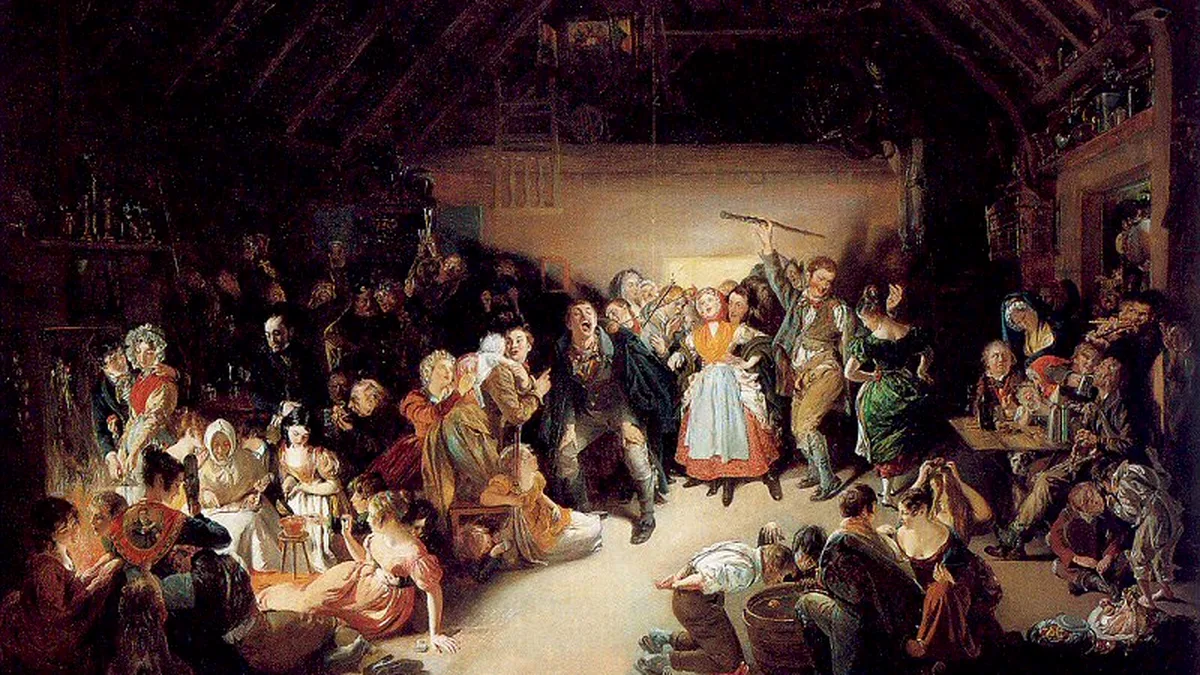
Souling and guising were not alone. This table lists the door-to-door customs most often named as relatives of the modern one, with where and when each is recorded.
| Custom | Region | When recorded | What people did | Link to trick-or-treating | Source |
|---|---|---|---|---|---|
| Souling | North and West England (Cheshire, Lancashire, Yorkshire, Staffordshire) | From 1511 to the 1950s | Sang for soul cakes, apples or ale around All Souls’ Day | Documented ancestor | Soul cake entry, Wikipedia (citing Morton, Rogers, Hutton) |
| Guising | Scotland and Ireland | 1623 record; Halloween guising described in 1895 | Disguised visitors performed for cakes, fruit or coins | Documented ancestor | Library of Congress; Guising history, Wikipedia |
| Soul-caking plays (mumming) | Cheshire, England | 19th century | Groups performed short folk plays, some carrying a horse’s head on a pole | Related custom | Soul cake entry, Wikipedia |
| Belsnickeling | Pennsylvania German communities | Known by the early 1800s | Costumed callers visited before Christmas; hosts guessed who they were | Possible influence (theory) | Library of Congress; Belsnickel entry, Wikipedia |
| Ragamuffin Day | New York City area | Around 1870 to 1956 | Children dressed as beggars asked for candy or coins on Thanksgiving | Related custom on another holiday | Ragamuffin parade entry, Wikipedia |
| “Halloween apples” | Western Canada | 1930s | Costumed children asked businesses for apples, fruit, nuts or candy | Local name for the same visit | City of Edmonton Archives |
Notice the pattern? Begging in disguise turns up wherever a feast day met a cold night and a community with something to share. For more customs like these, our folklore and origins section collects the stories behind other holidays.
When did trick-or-treating reach North America?
Guising crossed the Atlantic with Irish and Scottish immigrants in the 1800s, and the earliest North American guising record comes from British Columbia in 1898, according to Wikipedia. The phrase “trick or treat” appeared first in Canadian newspapers between 1917 and 1927, then reached the United States press in 1928.
Smithsonian Magazine dates the arrival of Halloween in the United States to the 1840s, with the mass migration from Ireland and Scotland. For decades the night belonged to pranksters. Then western Canadian editors started writing down a new demand. A Regina paper reported on 2 November 1923 that “‘Treats’ not ‘tricks’ were the order of the evening”, according to the citations gathered by Merriam-Webster. By 3 November 1927 the Calgary Daily Herald described the very young wandering “in droves from door to door, heavily disguised and demanding ‘trick or treat'”, per the same Merriam-Webster list.
One line from 1927 gets quoted more than any other. It describes “youthful tormentors” at back door and front “demanding edible plunder by the word ‘trick or treat'”. The City of Edmonton Archives credits the earliest use of the phrase to a 1927 report from Blackie, Alberta, while Merriam-Webster lists the same wording under the Lethbridge Herald of 4 November 1927. Small-town news was often reprinted in bigger regional papers, which may explain the double credit.
The United States followed quickly. The Bay City Times in Michigan printed the phrase on 1 November 1928, with a child at the door holding a chunk of soap ready for the windows, according to Merriam-Webster. The first known use in a national publication came in 1939, per Wikipedia. Even so, the words had not quite settled: Merriam-Webster notes that a 1965 newspaper comic strip still spelled it “TRICKS OR TREATS”. Did people say it the way you say it now? Clearly not everywhere.
Why did the history of trick or treating stall in the 1940s?
Because sugar disappeared. The United States rationed sugar from May 1942 through June 1947, according to the U.S. National Park Service, which makes it the first food rationed and the last released. With so little to hand out, the young custom slowed during the war years and only took off nationally after rationing ended.
Each person was allotted 26 pounds of sugar a year when rationing began, about 8 ounces a week, and in 1945 the allowance fell as low as 4.5 ounces a week, per the National Park Service.
A March 1942 letter from Decatur, Illinois, quoted by Merriam-Webster, describes masked children greeting hosts with “Trick or treat!” and calls it “a mild kind of blackmail in which, whatever the motives, the treats are always forthcoming.” Once rationing lifted, the national press noticed: the October 1947 issues of Jack and Jill and Children’s Activities featured the custom, per Wikipedia.
Then came the suburbs. Smithsonian Magazine links the postwar boom to new housing developments, which gave families safe, walkable routes, and to the rise of individually wrapped candy. In Edmonton, the city archives note that after the Second World War houses replaced shops as the target of choice, and by then the “trick” was usually an idle threat. Is it not strange that a custom built on a threat became the gentlest night of the year?
Why do we trick or treat for candy?
We trick or treat for candy mostly out of convenience. Until the mid-20th century children were just as likely to receive fruit, nuts, coins or toys, according to the Library of Congress. Candy makers began selling small wrapped sweets in the 1950s, and wrapped candy became the near-universal treat in the 1970s.
The Library of Congress ties that last shift to fear: in the 1970s parents grew wary of anything unwrapped. Those fears were mostly unfounded. The City of Edmonton Archives describes the 1960s reports of poisoned Halloween candy as false, and the Wikipedia history of the custom calls the stories of razors hidden in apples “almost certainly” of questionable authenticity.
The older treats tell you a lot about the older custom. Soul cakes, apples and nuts were what a farmhouse could spare in late autumn, and in western Canada children in the 1930s often asked for “Halloween apples” instead of saying “trick or treat”, per the City of Edmonton Archives. Charity entered the picture too. The Trick-or-Treat for UNICEF campaign began in 1950, when Mary Emma and Clyde Allison sent local children out with milk cartons and raised $17, and it has collected close to $200 million since, according to UNICEF USA as of October 2026.
So why do we still do it? Partly habit, partly neighbourliness, partly the pleasure of a night when the usual rules flip. What would you hand out if candy did not exist?
Myth or fact? Five claims checked
Most retellings of the history of trick or treating repeat the same handful of claims. Each label below reflects what the reference sources say, not what sounds tidy.
- “It is an unbroken ancient Celtic rite.” Uncertain. The Library of Congress gives Samhain as one of three competing theories, and the surviving records of costumed door visits begin in Christian Britain and Ireland, not in pre-Christian sources.
- “Candy was always the treat.” Myth. The Library of Congress says fruit, nuts, coins and toys were just as common until the mid-20th century, and wrapped candy only dominated from the 1970s.
- “The phrase was first printed in Blackie, Alberta, in 1927.” Partly true. The City of Edmonton Archives gives that credit, but Merriam-Webster lists a 1923 Regina example, and Wikipedia cites a 1917 Sault Daily Star line that is older still.
- “Adults invented trick-or-treating to stop Halloween vandalism.” Uncertain. The idea is popular, yet the Wikipedia history notes very few records back it up, with Des Moines, Iowa as the only area known to have used it that way.
- “Poisoned candy from strangers was a real wave.” Folklore. The City of Edmonton Archives calls the 1960s poisoned candy reports false, and the razor-in-apple stories have never been shown to be widespread.
Want to test a claim yourself? Look for a dated newspaper or archive record, then ask whether anything older says the same thing. Our guide to where holiday customs come from uses the same approach for other celebrations.
Tradition trivia
What is a soul cake?
A soul cake is a small round cake with sweet spices, similar to shortbread, traditionally given to soulers around All Saints’ and All Souls’ Days in exchange for songs and prayers for the dead.
Do children in Scotland still go guising?
Yes. Going door to door in disguise remains popular in Scotland and Ireland, and children are expected to perform a song, joke or poem for their treat, although the North American phrase “trick or treat” became common there in the 2000s.
Why do some Canadians say “Halloween apples” instead of “trick or treat”?
Apples were a favourite Halloween reward in western Canada in the 1930s, so children asked for “Halloween apples”, according to the City of Edmonton Archives. The phrase survives in some parts of Canada.
When did UNICEF boxes join trick-or-treating?
In 1950, when children in a Philadelphia suburb carried milk cartons door to door and collected coins for UNICEF. By 1967 the campaign was big enough for a presidential proclamation of National UNICEF Day, according to UNICEF USA.
Did the phrase “trick or treat” settle quickly?
No. Early papers printed “tricks or treats”, “treat or trick” and other forms, and in 1972 a Merriam-Webster editor asked for the dictionary to call it “a” Halloween practice rather than “the” practice, since not everyone had grown up with it.
Origins in this post were checked against encyclopedias, museum and library sources. An AI tool drafted the first pass, and anything the sources treat as uncertain is flagged as uncertain in the text.
Sources: Library of Congress, newspaper archive post; City of Edmonton, archives exhibit; Merriam-Webster, word history; U.S. National Park Service, food rationing article; UNICEF USA, campaign history; Smithsonian, 2024 feature; Wikipedia entries on trick-or-treating, soul cakes, belsnickeling and the ragamuffin custom.