
Autumn & Thanksgiving
Harvest Traditions Around the World, Compared
Where it comes from: Harvest traditions follow two clocks: the crop and the calendar. Moon festivals such as Chuseok, Sukkot and the Mid-Autumn Festival sit on lunar dates near the harvest moon, Pongal follows the sun, Lammas has a fixed day, and West African yam festivals wait for the crop. Some names, like Mabon, are modern.
Here is a calendar oddity: in September 2026, three harvest festivals from three cultures landed in the same few days. Chuseok ran from 24 to 26 September, the Mid-Autumn Festival fell on 25 September, and Sukkot began at sunset that evening, per each festival’s Wikipedia entry. Nobody planned it. The moon did. So why do harvest traditions that never met end up keeping the same week?
The answer is the calendar each one uses. Some customs really are very old. Others are younger than your grandparents’ wedding.
- Western Zhou dynasty (1046 to 771 BCE): the term “mid-autumn” first appears in the Rites of Zhou.
- Anglo-Saxon England: 1 August is called Lammas, from the Old English for “loaf mass”, the feast of first fruits.
- 1070 to 1122 CE: a Chola temple inscription records a land grant for the yearly Pongal festivities.
- 1 October 1843: the Reverend Robert Hawker holds a harvest thanksgiving service at Morwenstow in Cornwall.
- 1950s and 1960s: British farm workers revive the corn dolly craft.
- Around 1970 to 1974: the Wiccan writer Aidan Kelly coins the name Mabon for the autumn equinox festival.
How do harvest traditions compare around the world?
Harvest traditions around the world share three things: a meal from the new crop, a thank-you to whoever people believe made the harvest possible, and a date tied to the farming year. They differ in the calendar: lunar months, the sun, a fixed day, or the crop itself.
The table sorts harvest festivals around the world by calendar basis; “set locally” means the community fixes the day each year. Dates in the timeline and table come from each festival’s Wikipedia entry unless another source is named.
| Festival | Who keeps it | Calendar basis | 2026 date | Signature food | Custom |
|---|---|---|---|---|---|
| Mid-Autumn Festival | China, Vietnam (Tet Trung Thu) and Chinese communities abroad | Lunisolar: 15th day of the 8th month | 25 September | Mooncakes | Moon viewing, lanterns |
| Chuseok | Korea | Lunisolar: 15th day of the 8th month | 24 to 26 September | Songpyeon rice cakes | Ancestral rites, grave visits |
| Sukkot | Jewish communities worldwide | Lunisolar: 15 to 21 Tishrei | Sunset 25 September to nightfall 2 October | Meals eaten in the sukkah | Building a hut with a leafy roof |
| Thai Pongal | Tamil people in India, Sri Lanka and abroad | Solar: first day of the month Thai | 15 January (All India Radio) | Pongal: rice, milk and jaggery | Letting the pot boil over, kolam patterns |
| Lammas | England | Fixed: 1 August | 1 August | A loaf from the new wheat | Loaf blessed in church |
| Lughnasadh | Ireland and Gaelic Scotland | Fixed: 1 August, or a nearby Sunday | 1 August | Bilberries | Climbing hills |
| Church harvest festival | Britain, since 1843 | A Sunday in September or October chosen by each parish | Set locally | Harvest loaf, produce, tins | Gifts displayed, then given away |
| Erntedankfest | Germany | First Sunday in October, or the Sunday after Michaelmas | 4 October | Produce on the altar | A harvest crown of grain |
| Homowo | Ga people of Accra, Ghana | Farming season: planting in April and May, feast usually in August | Set locally | Kpokpoi | Weeks of silence before, food sprinkled for ancestors |
| New Yam Festival | Igbo people of Nigeria and abroad | Farming season: end of the rainy season, early August | Set locally | Roasted yam with palm oil | Last year’s yams finished first, elder eats the first new yam |
| Mabon | Modern pagans | Solar: the September equinox | 22 September in the Americas (timeanddate) | No fixed dish | Giving thanks and sharing the harvest |
One custom repeats in almost every region: the first or last of the crop is set aside before anyone feasts. In England it was the corn dolly from the final sheaf, in Igboland the first new yam taken by an elder, in Tamil homes the pot of new rice offered to the sun. The best known American harvest meal has its own story in our guide to Thanksgiving traditions and their origins. Which of these would you have guessed was the oldest?
Why does the harvest moon move every year?
The Harvest Moon is the full moon closest to the September equinox, so it moves because full moons do not follow the solar calendar. It can fall anywhere from 8 September to 7 October, according to EarthSky, and it lands in October about every three years, per timeanddate. In 2026 it was full on 26 September.
The name has a practical reason. The moon rises about 50 minutes later each day on average, timeanddate explains, but around the Harvest Moon that gap shrinks to about 25 minutes at New York’s latitude and 10 minutes at Edinburgh’s. The cause is geometry: on September evenings the ecliptic, the path the sun and moon follow across the sky, meets the eastern horizon at a shallow angle, so each night’s moon rises only a little later. Farmers got several bright evenings in a row.
Now the opening coincidence makes sense. The Chinese and Hebrew calendars both start each month at the new moon, per their Wikipedia entries, so day 15 sits near the full moon. Mid-Autumn and Chuseok fall on the 15th day of the eighth month, and Sukkot begins on 15 Tishrei. All three are, in practice, harvest moon festivals, and in 2026 they ran together. Pongal, on a solar calendar, stays near 14 or 15 January every year.
What happens at the Mid-Autumn Festival and Chuseok?
Both are family reunions under the full moon of the eighth lunar month. The Mid-Autumn Festival, which many English speakers call the harvest moon festival, centers on moon viewing, lanterns and mooncakes. Chuseok in Korea centers on ancestors: families hold memorial rites, tidy graves and make songpyeon, per the Wikipedia entries on both.
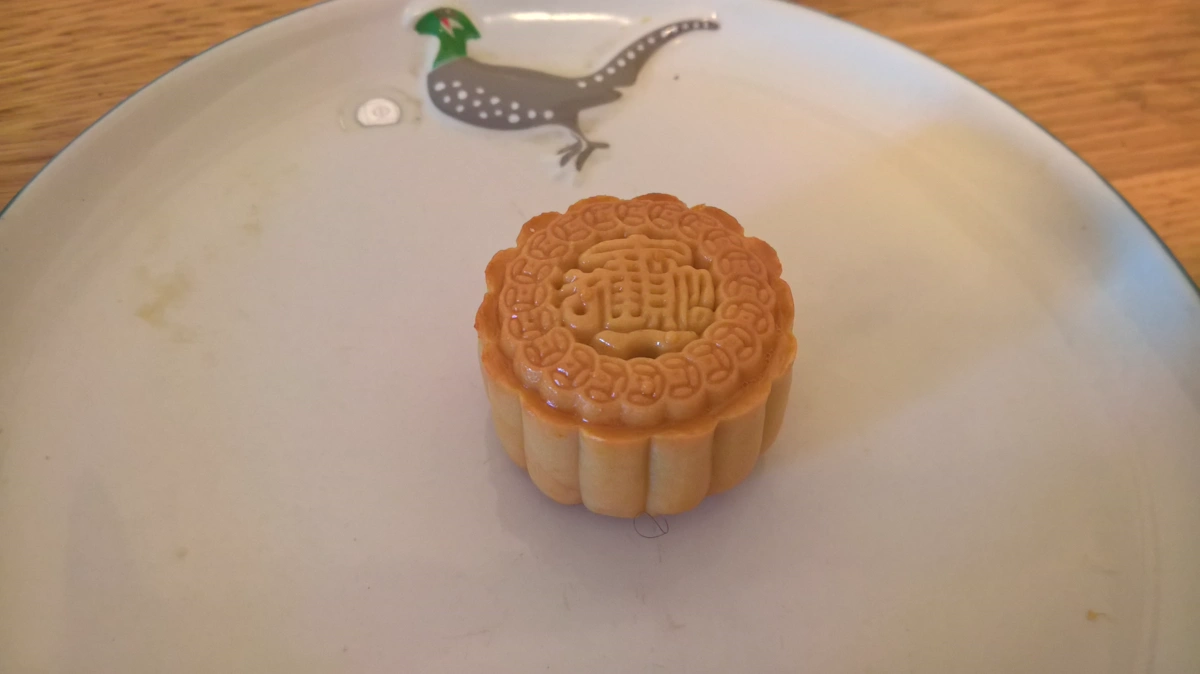
The pieces arrived at different times. The celebration grew popular in the Tang dynasty (618 to 907 CE), according to the Wikipedia entry on the festival. Lanterns joined the moon customs from the Tang onward, and mooncakes in the Song dynasty.
Songpyeon are rice cakes filled with sesame, beans or nuts and steamed over pine needles, per the Wikipedia entry on Chuseok. Chuseok itself may come from a weaving contest in the early Silla kingdom or from older harvest moon rites. In South Korea it is a three-day public holiday.
Retired teacher Sho Chang-young described a songpyeon afternoon at his apartment community center in a Korea Times column: the men kneaded the rice dough, the women prepared bean, sesame and chestnut fillings, and the cakes were steamed on fresh pine needles. Few came out perfectly shaped, he wrote, and that was part of the fun.
What is a sukkah, and why is it built at harvest time?
A sukkah is a temporary hut built for Sukkot, the week-long Jewish festival also known as the Festival of Ingathering. It needs at least three walls, and its roof must be made of cut plant material such as palm fronds or leafy branches, laid so the stars stay visible, according to the Wikipedia entry on Sukkot.
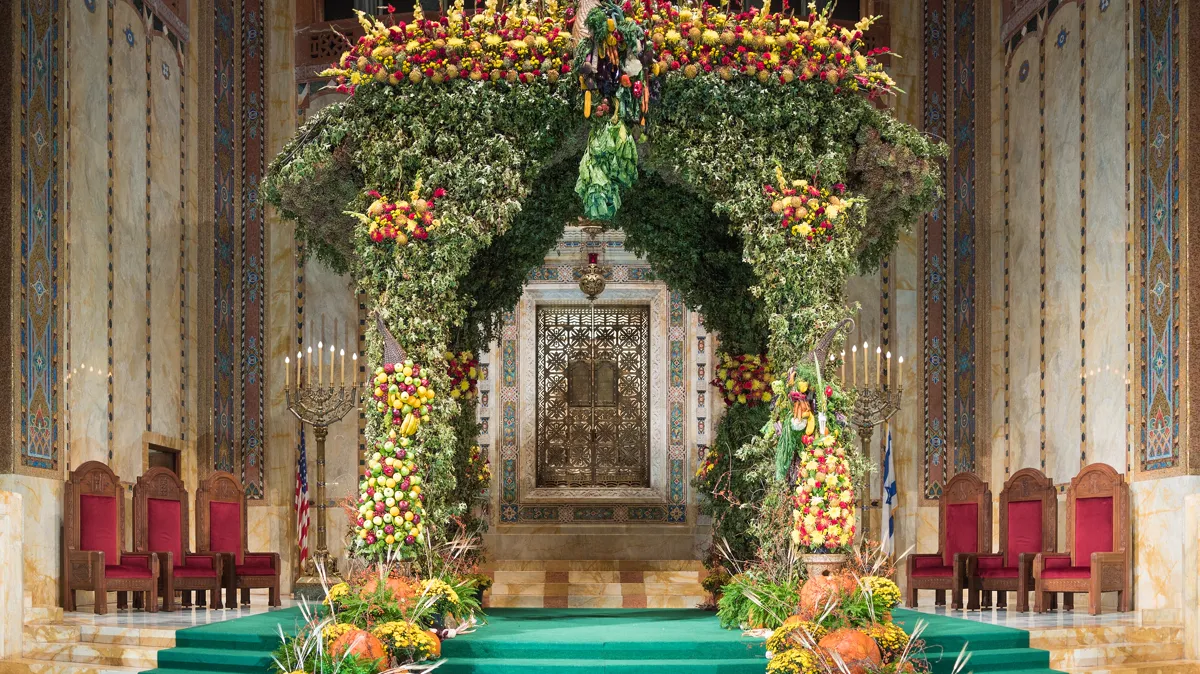
Sukkot runs from 15 to 21 Tishrei and is one of the three pilgrimage festivals of the ancient Temple calendar, the same entry notes. Observant families eat in the sukkah all week, and the hut recalls shelters farmers once lived in during the harvest, per the Wikipedia entry on harvest festivals. A second custom uses four plants: palm, myrtle, willow and a citron. Have you ever spotted one of these leafy huts on a balcony?
Why does Pongal stay in mid-January?
Pongal follows the Tamil solar calendar, not the moon, so its main day, Thai Pongal, falls on the first day of the month Thai, usually 14 or 15 January, according to the Wikipedia entry on Thai Pongal. In 2026 the main day was 15 January, per All India Radio.
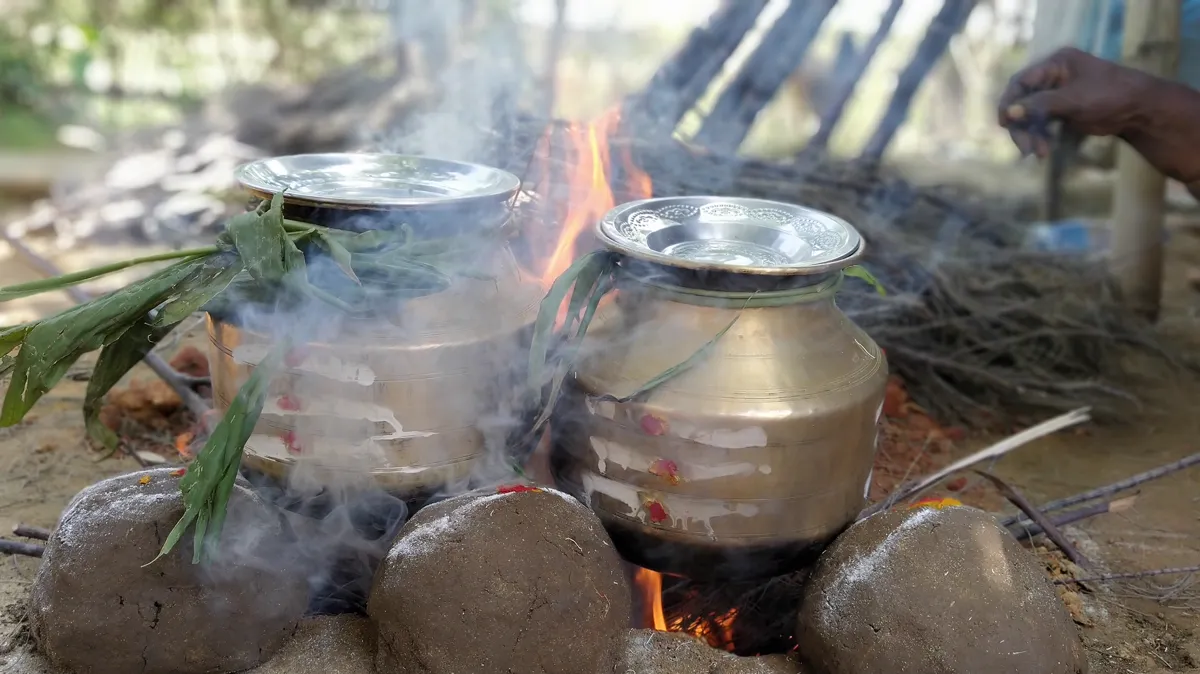
The name is the custom. “Pongal” means boiling over or overflowing in Tamil, and the dish of the same name is rice boiled with milk and jaggery in a pot, often set out in the sun beside sugarcane, the same entry explains. The festival runs three or four days, including Bhogi, when old things are thrown out, and Mattu Pongal, when cattle are decorated. A thousand-year-old land grant for Pongal, recorded under Kulottunga I, makes this one of the best dated harvest customs in the table.
Where do British harvest customs come from?
British harvest customs come in two layers. The older farm layer includes the Lammas loaf on 1 August, the last sheaf and the harvest supper, where farmers fed everyone who had helped. The church layer is younger: the harvest festival service with decorated altars began in 1843 at Morwenstow, Cornwall, per the Wikipedia entry on harvest festivals.
- Lammas and Lughnasadh: the English loaf mass and the Gaelic festival of Lugh both fall on 1 August, and the Reek Sunday climb up Croagh Patrick is thought to continue Lughnasadh hill climbing, per Wikipedia. Its Gaelic partner at the start of November, Samhain, belongs with our guide to autumn customs for the dead in other countries.
- The last sheaf: in Cornwall a reaper held up the final sheaf and shouted “I have ‘un!”, answered with “A neck!”, as CPRE, the countryside charity, describes it. Wikipedia calls the ceremony Crying the Neck and says the Old Cornwall Society still re-enacts it each year.
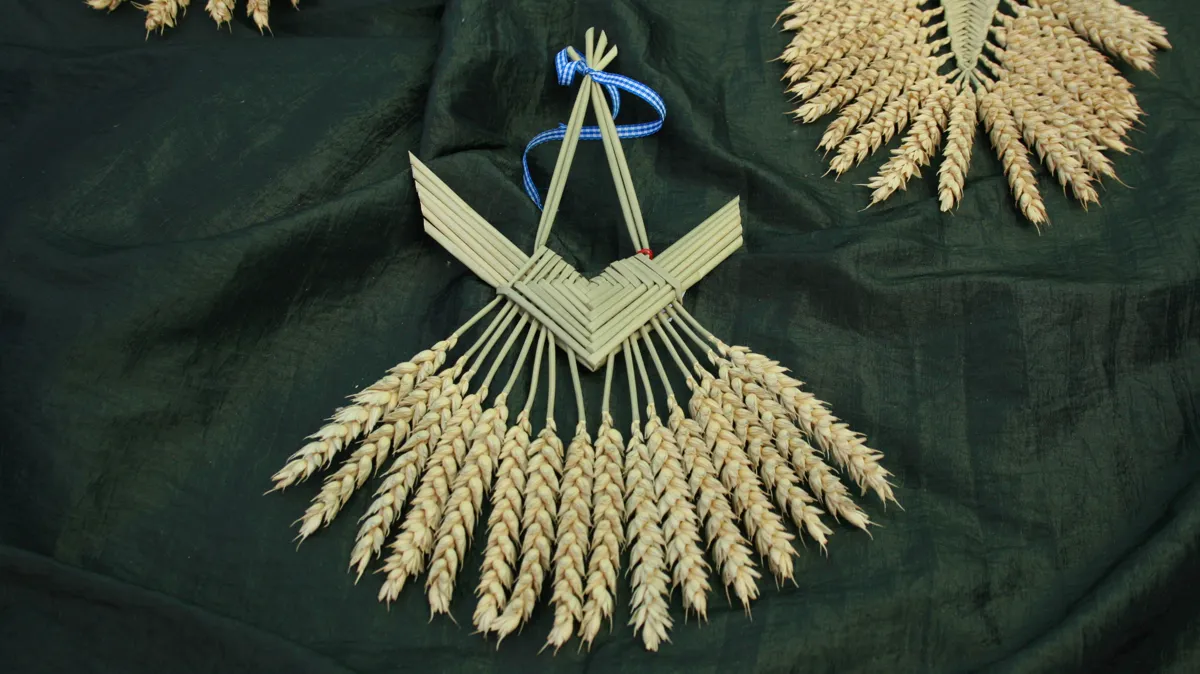
- The corn dolly: woven from the last sheaf and kept until spring sowing; in Northumberland it was a Kern Baby, per Wikipedia.

Hawker’s 1843 service used bread from the first cut of corn, per his Wikipedia biography, and the idea spread through Victorian parishes. In a 2019 ComRes poll of 4,051 adults for the Church of England, 73% remembered a childhood harvest festival and 61% remembered bringing food to give away.
Author Bianca White recalled her version on her history blog: each September her school collected tinned and dried food to be blessed in church, and one year a huge loaf shaped like a wheat sheaf stood before the altar. Does your school or church still collect harvest tins?
How do West African yam festivals mark the harvest?
West African yam festivals wait for the crop, not a calendar date. The Igbo New Yam Festival is held at the end of the rainy season, usually in early August, and nobody eats the new yams before it. The Ga festival of Homowo in Accra usually falls in August, after a planting season in April and May, per their Wikipedia entries.
Homowo means “hooting at hunger” in the Ga language and remembers a famine during the people’s migration, per its Wikipedia entry. Before it comes a four-week ban on drumming and noise while the crops grow. On the day itself, families sprinkle kpokpoi and pour libations for the ancestors, then share the dish from house to house.
For the Igbo the festival goes by several names, including Iri Ji (eating the new yam) and Iwa Ji, according to the Wikipedia entry on the festival. The evening before, old yams are eaten or thrown away. The oldest man, a king or a titled elder makes the first offering and eats first, and the feast serves only yam dishes. Why do so many cultures want someone important to take the first bite?
Ancient or modern? Harvest myths, checked
Harvest customs attract the word “ancient” more than most. Labels below are strict: documented means a dated record exists, partly true means the age is overstated, legend means no contemporary record, and modern means the last two centuries.
| Claim | What the record shows | Source | Verdict |
|---|---|---|---|
| Mabon is an ancient Celtic festival | Aidan Kelly coined the name for the equinox festival; the article gives “around 1970” in one section and 1974 in another | Wikipedia, Wheel of the Year | Modern name |
| Church harvest festivals are medieval | The service with decorated churches began in 1843 at Morwenstow | Wikipedia, Robert Stephen Hawker | Modern |
| Lammas is a pagan name | The name is Old English for “loaf mass”, a church blessing of bread; modern pagans adopted it later | Wikipedia, Lammas | Myth |
| Mooncakes are as old as the festival | The “mid-autumn” term dates to the Zhou dynasty; mooncakes joined in the Song dynasty | Wikipedia, Mid-Autumn Festival | Partly true |
| Rebels hid messages in mooncakes under the Yuan dynasty | Told as a Yuan dynasty legend | Wikipedia, Mid-Autumn Festival | Legend |
| The harvest moon is always in September | It lands in October about every three years | timeanddate | Myth |
| Pongal is at least a thousand years old | A land grant for Pongal is recorded under Kulottunga I (1070 to 1122 CE) | Wikipedia, Thai Pongal | Documented |
A modern custom is still a real one. The Mabon traditions people keep today, giving thanks for the season’s fruits and sharing them before winter, belong to a neopagan festival, and that is a perfectly good thing to be. So when someone calls a custom ancient, ask: ancient where, and since when? For more autumn customs and their origins, browse our autumn and Thanksgiving origins section.
Tradition trivia
When are the Harvest Moon and the Hunter’s Moon in 2026?
The Harvest Moon was full on 26 September 2026 and the Hunter’s Moon on 25 October 2026, according to timeanddate. When the Harvest Moon falls in October, it takes the Hunter’s Moon slot instead.
Is Mabon the same day as the autumn equinox?
Yes. Mabon is a modern pagan name for celebrations at the September equinox, which in 2026 fell on 22 September in the Americas and just after midnight on 23 September in Universal Time, per timeanddate.
When is the Harvest Moon in the Southern Hemisphere?
In March or early April, because the autumn equinox there comes around 21 March, EarthSky notes.
Why is Chuseok sometimes called Korean Thanksgiving?
It is an English nickname based on the shared harvest meal and family travel. The history is different: Chuseok centers on ancestral rites and grave visits, and its date follows the lunar calendar.
Historical claims here come from reference sources, not folklore sites. The draft was prepared with AI, and each claim was re-checked against the reference source before publishing.
Sources: Wikipedia, harvest festivals, moon festival, Chuseok, Sukkot, Pongal, loaf mass, pagan calendar, corn dollies, Homowo, yam festival; German Wikipedia; timeanddate; EarthSky; CPRE; Church of England; All India Radio, festival news report.